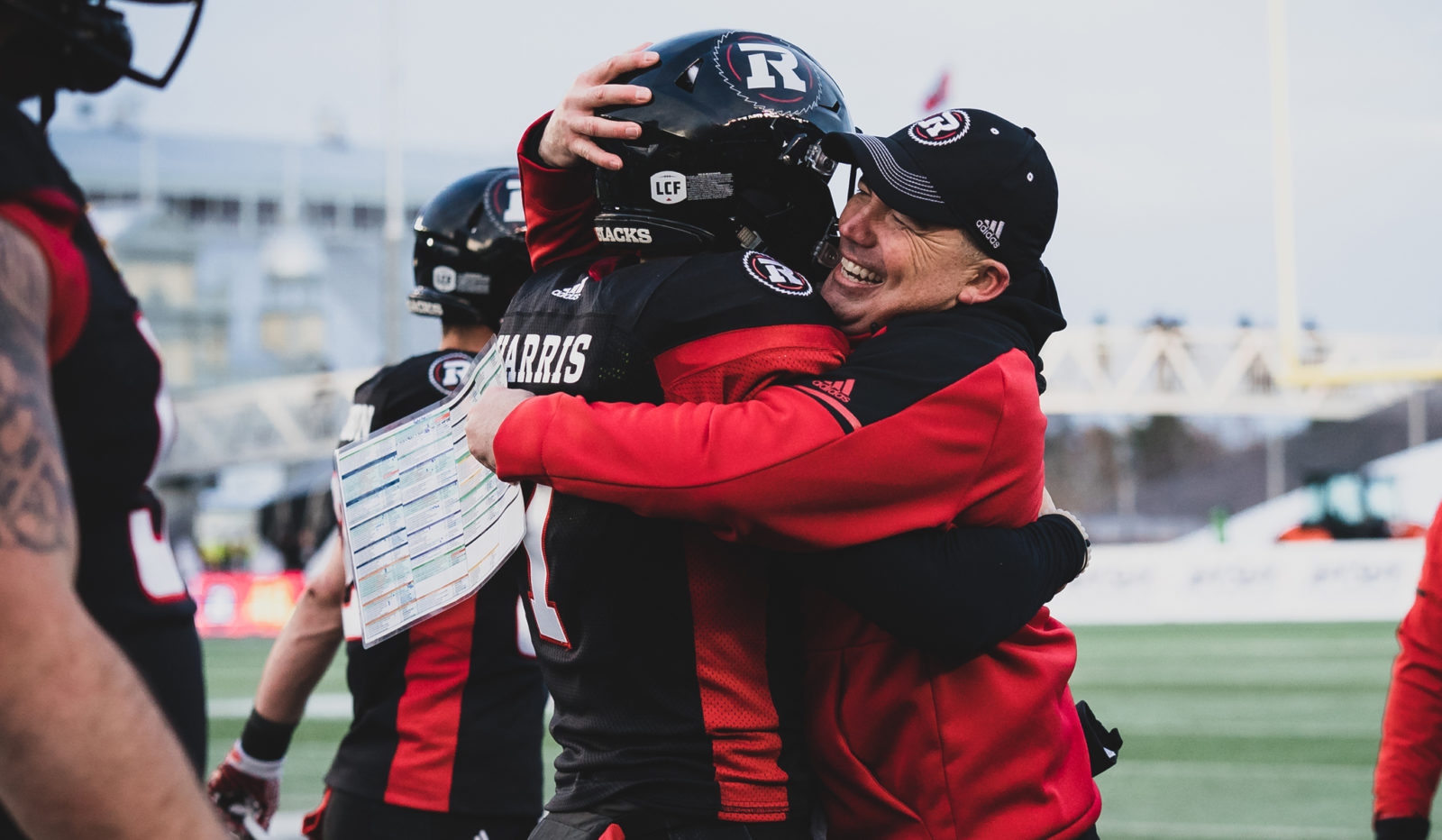
Nobody likes two-a-days.
I have never met a player who woke up excited for the second practice of the day. The morning session is hard enough. By the time the afternoon rolls around, the legs are heavy, the mind is tired, and every part of a player’s body is sending the same message: you have done enough today.
But I noticed something over years of coaching through them.

The players who found a way to show up to that second practice the same way they showed up to the first one, not perfect, not without fatigue, but present and committed and still doing the work right, those were the players who were ready when the season started.
Not necessarily the most talented.
Not the ones who complained the least.
The ones who kept doing the work when the work stopped feeling worth it.
And every single time, without exception, what they built in those invisible summer sessions showed up in October when the lights were on, the margin was thin, and there was no time to figure anything out. They did not have to think. They just executed. Because they had done it enough times in the heat of July when nobody was watching that it had become part of who they were.
That is what two-a-days are actually for.
Not punishment.
Not toughness for the sake of toughness.
Two-a-days are for building the automatic responses that perform when the pressure is too high for thinking to keep up.
What are you building right now in July that is going to show up in October?
Not what you are planning. Not what you are intending to get to. What are you actually doing, consistently, in the quiet of the summer, when the calendar is lighter, the urgency is lower, and nobody would notice if you let it slide?
The same pattern I watched play out on the practice field shows up in business every year.
The leaders who are calm in Q4 are not calm because they are naturally unflappable. They are calm because they built something in the months before that they can now trust. They invested in the systems, rhythms, habits, and hard conversations long before they were forced to. By October that work is already done. They are just executing it.
The leaders who are scrambling in Q4 are not scrambling because Q4 is hard. They are scrambling because July was comfortable.
That is the real cost of skipping two-a-days.
It does not show up in July.
It shows up exactly when you can least afford it.
The challenge is that none of this work feels urgent in the moment.
The preparation I am describing is not glamorous. Nobody is going to congratulate you for it. There is no moment where someone pulls you aside and says well done for building that process in the summer when you did not have to. The work is invisible right up until the moment it becomes the most visible thing in the room.
I used to watch players in two-a-days who were going through the motions. They were the ones doing just enough to get through the session without standing out for the wrong reasons. And I could tell, almost without exception, that those were the players who would panic in the fourth quarter. Not because they were bad players. Because they had trained themselves to do just enough.
And I watched other players, usually not the stars, usually the ones with something to prove, treat every rep in every practice like it was the one that was going to decide something. Because for them, it was.
That mentality, that refusal to let the invisible work be anything less than your best work, is what separates the leaders who perform when it matters from the ones who wonder why they could not.
How Elite Leaders Approach Their Two-A-Days
The conversation you keep pushing to next week.
The accountability conversation, the strategic alignment session, the check-in with the person on your team who has been quieter than usual. That conversation is a two-a-day. It is uncomfortable, you do not have to have it today, and every day you push it is a rep you are not taking. Have it now, before the season starts and the stakes make it harder.
The system you keep meaning to build.
The one that would make your team more consistent, your pipeline more visible, your follow-up more reliable. In July, it is an improvement. In October, it is a necessity. Build it now when you have the headspace to build it right.
Your own daily discipline.
The morning routine, the weekly review, the habit that keeps you sharp and clear and ahead of what is coming. What did you build in January that you have let slide by July? Two-a-days are a reset. They remind you that what you do when nobody is watching is the most important practice of all.
The skill you know you need.
The capability gap you are aware of, the area where you know you are not as strong as you need to be for what is coming. July is the time to close that gap. Not when the pressure is on. Now, when there is room to learn imperfectly and build something real.
This Week’s Snap Count
The season is closer than it feels.
The players who made it through two-a-days and showed up anyway, every session, every rep, even when the body was arguing against it, those players walked into opening day with something the others did not have.
Not just fitness.
Confidence.
The kind that comes not from believing you are talented but from knowing you did the work when you did not have to. That is the most unshakeable confidence there is because it is earned in private before it is proven in public.
That is available to you right now.
In July.
In the quiet.
Before anyone is watching.
If this hit home and you want to talk about what your team’s two-a-days should look like this summer, reply “LET’S CHAT” and my team will reach out and set up a quick call.
Go CRUSH-IT,
Coach E